James Allen vs. Blue Nile | Vendor Comparison
Choosing the right online diamond retailer is crucial when making a significant investment in a precious gemstone. Two prominent players in the online diamond industry, James Allen and Blue Nile, have garnered substantial recognition and customer trust. This article aims to objectively compare James Allen and Blue Nile, evaluating various factors such as product selection, customization options, pricing, customer service, and overall reputation, to help readers make an informed decision about which retailer is better suited to their needs.

Product Selection and Quality
Both James Allen and Blue Nile offer extensive selections of diamonds, ensuring a wide range of options for customers. James Allen stands out with its exceptional 360° Diamond Display Technology, which provides highly detailed images and videos of each diamond, enabling customers to evaluate the diamond’s quality and brilliance from every angle. Blue Nile, on the other hand, boasts an expansive inventory of certified diamonds, accompanied by comprehensive grading reports. Both retailers prioritize sourcing ethically and offer diamonds of comparable quality.
Customization and Design

James Allen takes the lead in terms of customization and design options. Their intuitive online platform empowers customers to create personalized engagement rings by choosing the diamond, setting, and metal of their preference. The advanced filtering options allow customers to refine their search based on specific criteria.
Intuitive Online Platform:
James Allen’s user-friendly online platform serves as a gateway to a world of endless possibilities. From the moment customers arrive on the website, they are greeted with an intuitive interface that guides them through the customization process. The platform is designed to provide a seamless and immersive experience, allowing customers to easily navigate through various options and create their dream jewelry pieces.
Create Your Own Engagement Ring:
One of the standout features of James Allen is its “Create Your Own” engagement ring option. This unique tool allows customers to handpick every element of their ring, resulting in a truly personalized piece that captures their vision and style. Customers can choose the diamond’s shape, carat weight, cut, color, and clarity, as well as the setting style and metal type. The platform also provides a 360° view of the ring, ensuring that customers can visualize their creation from every angle.
Extensive Diamond Selection:
To support the customization process, James Allen boasts an extensive selection of high-quality diamonds. Customers can filter and search for diamonds based on various criteria, such as carat weight, cut, color, clarity, and more. The platform provides comprehensive diamond information, including certification details and 360° images, enabling customers to make well-informed decisions about their diamond selection.
Virtual Try-On:
To further enhance the customization experience, James Allen offers a Virtual Try-On feature. By uploading a photo of their hand, customers can digitally superimpose their chosen engagement ring onto their own finger. This interactive tool provides a realistic visualization of how the ring will look when worn, assisting customers in finalizing their design and ensuring their complete satisfaction.
Professional Guidance:
While customers have full control over the customization process, James Allen’s team of experts is readily available to provide guidance and support. Their knowledgeable staff can assist in choosing the perfect diamond, understanding different setting options, and answering any questions along the way. This personalized assistance ensures that customers feel confident and informed throughout the entire design process.
Blue Nile, while offering a variety of pre-set engagement rings, falls slightly behind in terms of customization options. Customers seeking a more tailored experience may find James Allen’s platform more appealing.
Personalized Design Process:

Blue Nile’s commitment to customization is evident from the moment customers step into their virtual showroom. The intuitive and user-friendly online platform guides customers through the design process, ensuring a seamless and engaging experience. The platform presents a myriad of customization options, enabling customers to create their desired piece of jewelry with ease.
Build Your Own Ring:
Blue Nile’s “Build Your Own Ring” feature empowers customers to take the reins in designing their perfect engagement ring. This interactive tool allows for customization across various elements, including selecting the diamond’s shape, carat weight, cut, color, and clarity. Customers can also choose from a diverse selection of settings, metal types, and accent stones to further personalize their creation. This comprehensive customization allows customers to curate a ring that aligns precisely with their preferences and vision.
Extensive Jewelry Collection:
In addition to engagement rings, Blue Nile offers a wide array of customizable jewelry options, including earrings, necklaces, bracelets, and wedding bands. Customers can choose from an extensive collection of styles and designs to suit their individual tastes. The ability to customize these pieces, such as selecting the type of metal, gemstone, or engraving, adds a personal touch and transforms each item into a one-of-a-kind treasure.
Expert Guidance and Education:
While Blue Nile provides customers with complete creative control, their team of jewelry experts is available to offer guidance and advice throughout the customization process. Customers can rely on their expertise to navigate the various options, understand the significance of different gemstone characteristics, and make informed decisions. This personalized support ensures that customers feel confident in their choices and facilitates a smooth and enjoyable customization journey.
Virtual Diamond Consultations:
Blue Nile takes customization a step further by offering virtual diamond consultations. Customers can schedule appointments with Blue Nile’s gemologists to receive personalized guidance on selecting the perfect diamond for their desired piece of jewelry. Through video conferencing, customers can interact with the experts, view different diamond options, and gain valuable insights, all from the comfort of their own homes. This personalized service enhances the customization experience and fosters a deeper understanding of the diamonds available.
Pricing and Value:
Pricing is a crucial aspect when comparing online diamond retailers. Both James Allen and Blue Nile strive to offer competitive prices. James Allen’s “no middlemen” business model allows them to provide relatively lower prices for diamonds of comparable quality. Blue Nile, on the other hand, leverages strong relationships with diamond suppliers to negotiate favorable prices. While there may be slight variations in pricing, it is recommended that customers compare prices on both platforms to ensure they receive the best value for their investment.
Customer Experience:
A positive customer experience is paramount when purchasing diamonds online. James Allen and Blue Nile excel in this aspect, offering reliable and efficient customer service. James Allen’s 24/7 customer support via live chat, phone, and email ensures prompt assistance throughout the buying process. Blue Nile provides similar customer service options, along with a 30-day return or exchange policy. Both retailers prioritize customer satisfaction and strive to address any queries or concerns promptly.
Reputation and Trustworthiness
James Allen and Blue Nile have established themselves as reputable online diamond retailers with solid track records. James Allen is known for its transparent practices, exceptional customer service, and high-quality diamonds, earning positive reviews from satisfied customers.
Ethical and Transparent Practices:
James Allen has cultivated a reputation for conducting business with the utmost integrity. The company is committed to ethical sourcing, ensuring that all diamonds offered are conflict-free and comply with the Kimberley Process Certification Scheme. Customers can shop with confidence, knowing that their purchases support responsible mining practices and contribute to the betterment of the diamond industry. James Allen also provides detailed information about each diamond, including grading reports, certifications, and high-resolution images, enabling customers to make well-informed decisions.
Positive Customer Reviews and Testimonials:

James Allen’s reputation is bolstered by a wealth of positive customer reviews and testimonials. Satisfied customers praise the company’s exceptional product quality, attentive customer service, and overall shopping experience. The positive feedback highlights James Allen’s dedication to meeting customer expectations and delivering on its promises. The company’s commitment to customer satisfaction is evident through its generous return policy, which allows customers to return or exchange their purchases within 30 days, providing peace of mind and ensuring a risk-free buying experience.
Industry Recognition:
James Allen’s exemplary reputation is further solidified by industry recognition and accolades. The company has received numerous awards and accolades, underscoring its commitment to excellence. These accolades include recognition from reputable institutions such as the Better Business Bureau (BBB), where James Allen holds an A+ rating, a testament to its exceptional customer service and adherence to ethical business practices. Such industry recognition reinforces the trustworthiness and reliability of James Allen as an online diamond retailer.
Exceptional Customer Service:
One of the cornerstones of James Allen’s reputation is its commitment to exceptional customer service. The company’s customer support team is available 24/7, offering assistance through live chat, phone, and email. Whether customers have questions about diamond selection, customization options, or order inquiries, they can rely on James Allen’s knowledgeable and friendly staff to provide prompt and helpful responses. This dedication to customer service ensures a positive buying experience and fosters long-term customer loyalty.
Longevity and Experience:
James Allen’s longevity in the industry, having been founded in 2006, speaks to its stability and experience. Over the years, the company has cultivated a deep understanding of the diamond market, honing its expertise in diamond selection, craftsmanship, and customer preferences. This wealth of experience contributes to the trust customers place in James Allen as a reputable and reliable source for their diamond purchases.
Blue Nile, with its long-standing presence in the industry, has built a reputation for its extensive selection, reliable service, and overall customer satisfaction. Both retailers prioritize ethical sourcing, ensuring customers can trust the authenticity and quality of their purchases.

Industry Leadership and Experience:
Blue Nile’s long-standing presence in the industry since its founding in 1999 has played a pivotal role in establishing its reputation. With over two decades of experience, Blue Nile has honed its expertise in sourcing high-quality diamonds and curating a vast selection of certified stones. This longevity has allowed Blue Nile to build trust with customers as a reliable and knowledgeable resource for their diamond purchases.
Ethical and Transparent Practices:
Blue Nile is dedicated to operating with integrity and adhering to ethical business practices. The company only sources diamonds from reputable suppliers who adhere to the Kimberly Process Certification Scheme, ensuring that all diamonds are conflict-free. Blue Nile is transparent about the origin, quality, and grading of its diamonds, providing customers with detailed information and grading reports. This commitment to transparency fosters trust and confidence in the authenticity and quality of Blue Nile’s products.
Positive Customer Testimonials:
Blue Nile’s exceptional reputation is bolstered by a wealth of positive customer testimonials and reviews. Satisfied customers praise the company’s wide selection, competitive pricing, and outstanding customer service. Blue Nile has cultivated a reputation for delivering on its promises and exceeding customer expectations. The positive feedback from numerous customers attests to the trustworthiness and reliability of Blue Nile as a preferred destination for diamond purchases.
Industry Recognition and Accreditations:
Blue Nile’s commitment to excellence has been recognized by industry experts and reputable organizations. The company has received accolades and awards, further validating its reputation as a trusted online diamond retailer. Blue Nile holds an A+ rating from the Better Business Bureau (BBB) and has earned accreditation from respected industry associations, demonstrating its commitment to maintaining high standards of quality and customer satisfaction.
Customer-Centric Approach:
Blue Nile’s customer-centric approach is a hallmark of its reputation and trustworthiness. The company places a strong emphasis on providing exceptional customer service. Blue Nile’s dedicated customer support team is available to assist customers throughout the buying process, offering guidance, expertise, and personalized assistance. The company’s commitment to customer satisfaction is evident in its flexible return policy, which allows customers to return or exchange their purchases within 30 days, ensuring peace of mind and a risk-free buying experience.
Conclusion:
Determining whether James Allen or Blue Nile is better depends on individual preferences and priorities. James Allen’s superior customization options, advanced diamond viewing technology, and competitive pricing make it an excellent choice for customers seeking a personalized experience. However, Blue Nile’s expansive inventory and solid reputation, coupled with its focus on customer satisfaction, make it a reliable option for those prioritizing a wide selection and proven track record. Ultimately, customers should consider factors such as customization needs, budget, and personal preferences when making a decision. Regardless of the choice, both James Allen and Blue Nile have established themselves as reputable online diamond retailers, ensuring customers can make their purchase with confidence.…




 Diamonds have long captivated humanity with their unrivaled beauty and allure. As objects of desire, they evoke images of elegance, luxury, and everlasting love. However, the classification of diamonds as either gemstones or minerals has sparked debate among experts and enthusiasts alike. In this article, we delve into the intricate nature of diamonds, exploring their geological origins, chemical composition, and their dual status as both gemstones and minerals.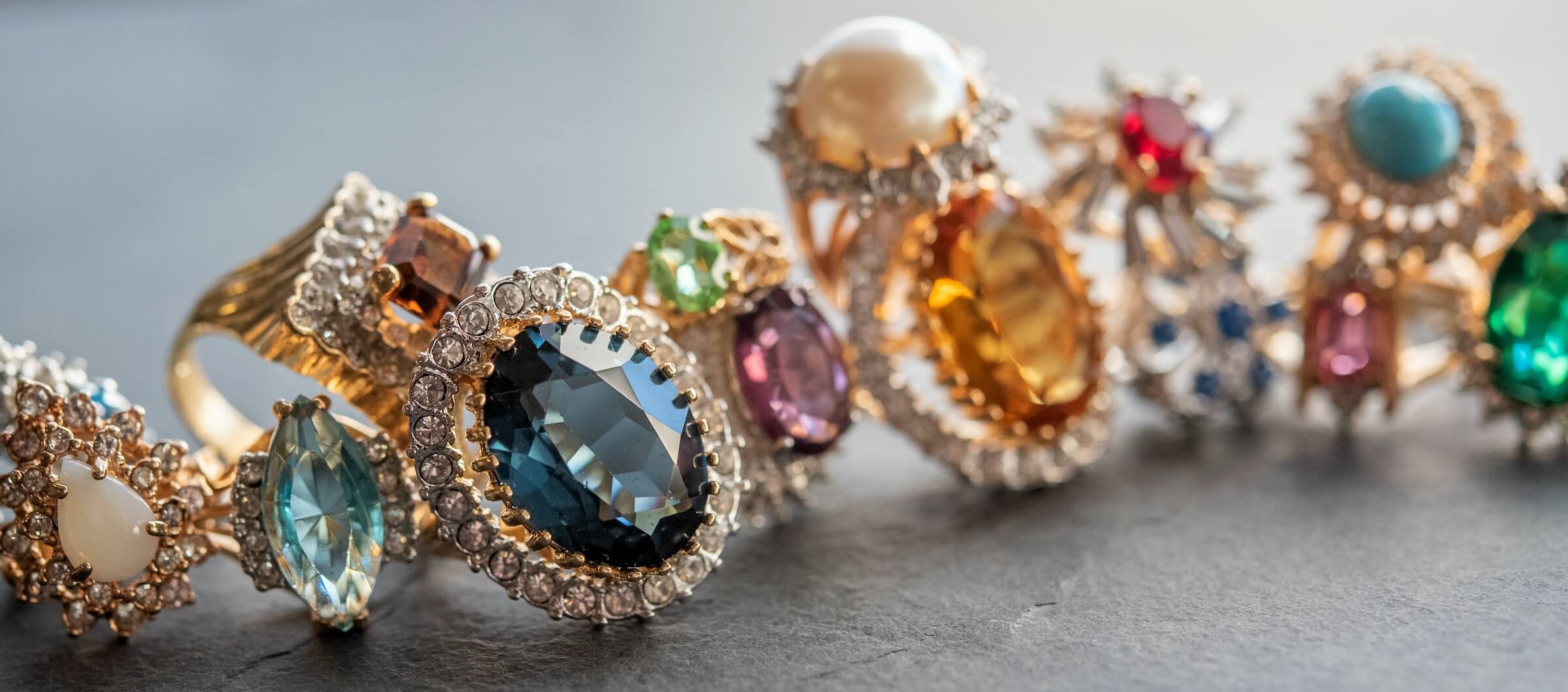
 Diamond is classified as a mineral based on the criteria that define minerals. Here are the reasons why diamond is considered a mineral: